Denver Bicycle Accident Lawyer Advice for Rideshare-Related Bicycle Crashes
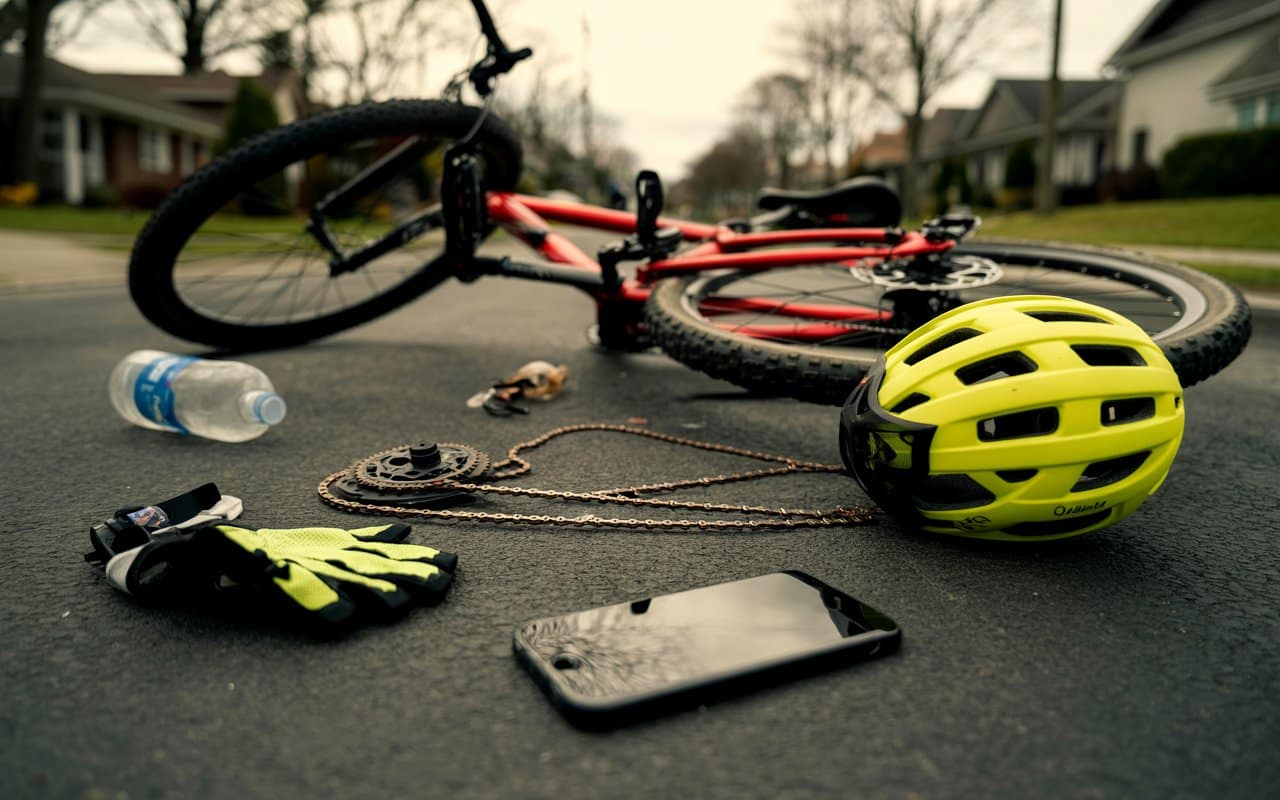
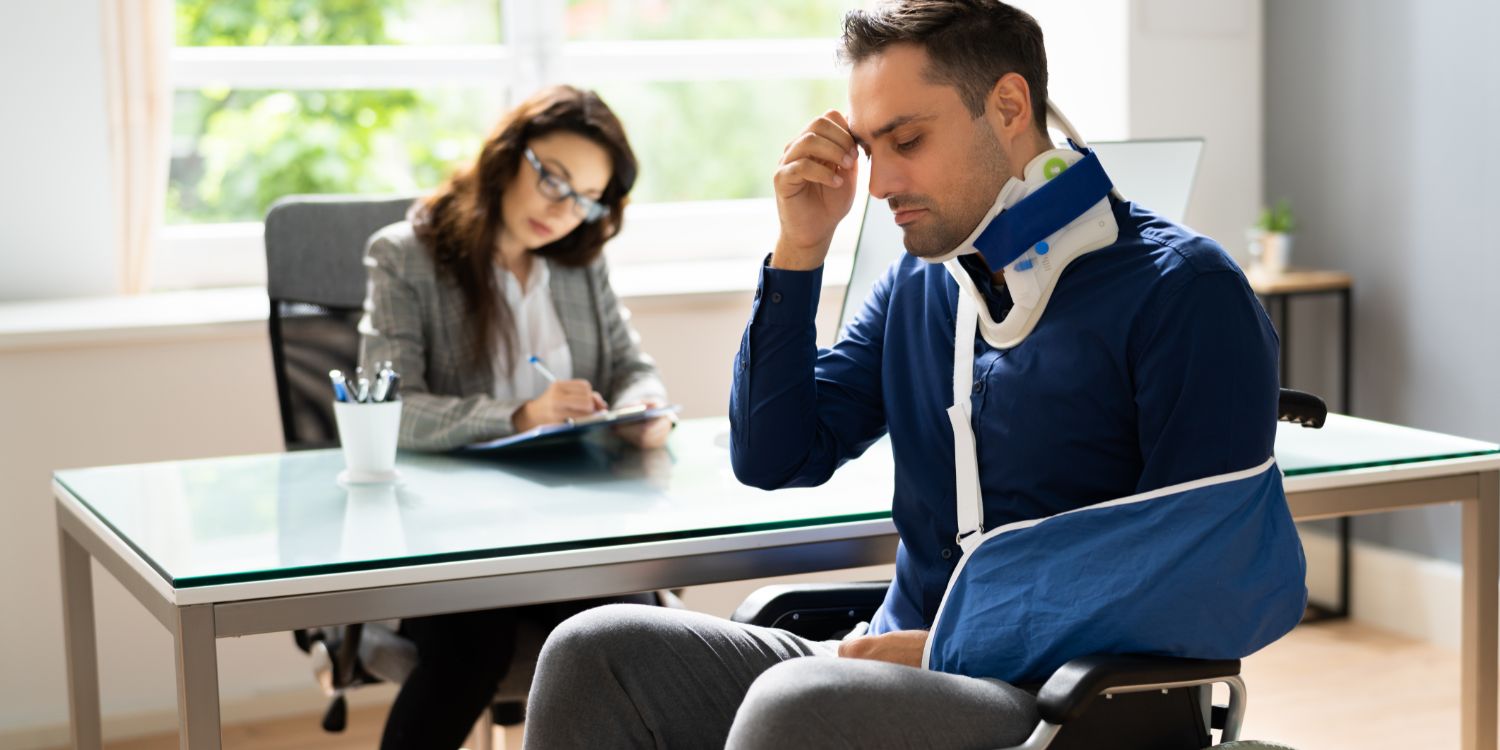
Denver has become a city where bikes and rideshare vehicles occupy the same curb space, often at the same tense moments. A driver slows suddenly near Union Station, a passenger pushes open a rear door into a bike lane on Blake, or a rideshare car cuts across traffic to grab a pickup in Capitol Hill. These are not abstract traffic scenarios. They are the kinds of collisions that leave cyclists with broken collarbones, wrist fractures, concussions, torn knee ligaments, and weeks or months of disruption.
Rideshare-related bicycle crashes carry a layer of complexity that ordinary car-versus-bike collisions do not. There may be a driver, a passenger, a rideshare company, and sometimes another vehicle in the mix. Insurance coverage can change depending on whether the app was off, on and waiting for a ride request, or actively transporting a passenger. Fault may be split between a driver who stopped in the wrong place and a passenger who opened a door without looking. Those details matter, and they matter early.
For injured cyclists, the first days after a crash often feel deceptively simple. You need medical care, your bike may be damaged, and the driver’s insurer may call. But rideshare cases are rarely simple once the facts start to come into focus. A seasoned Bicycle Accident Lawyer Denver cyclists trust will usually look at the crash from several angles at once: road design, traffic behavior, app status, insurance layers, the quality of the police report, witness accounts, and the medical timeline. That broader view often makes the difference between a claim that gets minimized and one that is taken seriously.
Why rideshare bicycle crashes in Denver are different
The ordinary bicycle crash with a private motorist typically starts with one insurance policy and one version of events from the driver. A rideshare crash can involve a much more tangled structure. Uber and Lyft drivers are usually not employees in the traditional sense, which can complicate the path to compensation. Yet those companies also maintain significant insurance policies that may apply depending on what the driver was doing at the exact time of the crash.
That exact time matters more than most people realize. If the app was off, the driver’s personal auto insurance is usually the primary policy. If the app was on and the driver was waiting for a ride request, there may be a lower tier of company-provided liability coverage. If the driver was on the way to a pickup or carrying a passenger, a much larger commercial policy may be available. Those distinctions sound technical, but they can decide whether there is enough insurance to cover a serious injury claim.
Denver’s street design adds its own layer. Many bike crashes involving rideshare vehicles happen at the curb, not in the middle of an intersection. Protected bike lanes can reduce some risks, but they can also create conflict points where drivers stop in loading zones, bus stops, or just outside them. Downtown streets with heavy tourism and event traffic tend to produce hurried pickups and abrupt lane changes. In neighborhoods with restaurants and nightlife, evening rideshare activity rises at the same time visibility worsens and alcohol can impair passenger judgment. A driver may stop illegally. A passenger may swing a door open into a rider’s path. The company may later argue the act was too sudden to prevent. These cases demand a fact-specific approach.
The most common crash patterns
In practice, rideshare-related bicycle cases tend to repeat a few familiar patterns. The details differ, but the mechanics are often similar enough that experienced attorneys recognize the warning signs quickly.
The most common is the sudden stop and curb cut. A rideshare driver sees a waiting passenger, brakes hard, and drifts across a bike lane to reach the curb. Cyclists who have the right of way have only seconds to react. If they strike the side of the vehicle, insurers may try to argue the cyclist should have stopped sooner. That argument often ignores speed, line of sight, road markings, and the unpredictability of rideshare pickup behavior.
Another recurring pattern is the dooring crash. Denver law requires vehicle occupants to check before opening a door into traffic, including bicycle traffic. In dooring cases involving rideshare trips, responsibility may rest with the passenger, the driver, or both. If the driver stops in an unsafe place and invites the passenger to exit directly into a bike lane, that choice can matter. These are not always single-fault cases.
A third pattern involves the rolling pickup or drop-off. The driver never fully parks, never reaches the curb, and instead slows just enough for a passenger to jump in or out. Cyclists then face a moving obstacle, an opening door, and a person stepping into the lane, all at once. When defense adjusters review those claims, they often focus narrowly on the final point of impact. A strong claim looks at the entire sequence of decisions.
What to do in the first hour, if you are physically able
The first hour after a crash often shapes the entire case. Memory is fresh, vehicles may still be in place, and electronic records have not yet disappeared into a larger claims process. If you can act safely, a few practical steps can preserve evidence that is hard to recreate later.
- Call 911 and ask for police and medical help if there is any sign of injury.
- Photograph the vehicle, license plate, bike position, street markings, nearby signs, and any rideshare app screen you can see.
- Get the driver’s name, phone number, insurance information, and ask whether they were actively working in the app.
- Identify the passenger if possible, especially in a dooring case.
- Get witness names and numbers before people leave.
Even when a cyclist feels more embarrassed than hurt, declining medical evaluation can create problems later. Adrenaline hides pain. Hand fractures, rib injuries, mild traumatic brain injuries, and soft tissue damage often become more obvious over the next 12 to 48 hours. Insurance companies know this. If there is a long delay before treatment, they may argue the injury was minor or unrelated.
One practical point many people miss is preserving app-related information. If a passenger tells you, “I was getting out of an Uber,” write that down. If the driver says they were on a Lyft pickup, note that too. A photo of the rideshare trade dress sticker, if visible, can help later. So can a screenshot of your own location history if your phone tracked the ride or ride request nearby. None of this replaces formal evidence requests, but it can anchor the early investigation.
The insurance question that changes everything
People often assume that if a rideshare company was involved, there must be a large policy available automatically. That is not always true. Coverage depends heavily on the driver’s status in the app and the exact role of each person involved.
When the driver is offline, the case usually looks like any other collision involving a private motorist. If the driver is logged in and waiting for a fare, a lower tier of liability coverage may apply. Once a ride is accepted or a passenger is in the car, higher limits may become available. The gap between those categories can be enormous in practical terms, especially where hospitalization, surgery, or lasting impairment is involved.
This is why an attorney in these cases often sends preservation letters early. Electronic records can confirm whether the driver had accepted a ride, when the trip began, where the stop occurred, and whether the drop-off was made in a prohibited or dangerous location. Without that evidence, disputes over app status can become much harder to resolve.
There is another wrinkle in Colorado cases involving cyclists. Sometimes the driver is clearly at fault, but there is not enough liability coverage to address a serious injury. In those situations, uninsured or underinsured motorist coverage may matter. Many cyclists do not realize their own auto policy may help them even though they were riding a bicycle at the time. Household policies sometimes come into play as well, depending on the wording. This is one reason it is a mistake to treat a bike crash as “just” a bike claim. It is often an insurance architecture problem as much as a liability problem.
Fault is rarely a one-line story
Rideshare cases often produce arguments about comparative negligence. Colorado uses a modified comparative fault system, which means an injured person’s compensation can be reduced by their share of fault, and recovery may be barred if they are found 50 percent or more responsible. That makes the details of cyclist behavior relevant, but not in the simplistic way insurers often present them.
An adjuster may ask whether you were wearing bright clothing, whether you had lights, whether you were filtering past stopped traffic, or whether you were outside the painted bike lane at the moment of impact. Those facts can matter. They do not automatically excuse a driver who crossed into the lane without yielding or a passenger who flung open a door into moving bicycle traffic.
Experienced lawyers know how these cases are defended. If a cyclist was descending a street quickly, the insurer may frame the speed as reckless even when it was reasonable for the roadway. If the cyclist moved left to avoid debris before the crash, the defense may call that lane departure negligent. If the rider was not wearing a helmet, the insurer may imply broader carelessness. The legal significance of these points varies, and many of them are overstated in early claims handling.
Good advocacy means confronting the weak facts honestly while not losing sight of the strong ones. If a cyclist was riding at dusk without ideal lighting, that is not helpful. But if the rideshare driver made an abrupt unsignaled stop in a bike lane, the core negligence may still be obvious. Cases are won or lost in part by who can tell the most complete and credible story, not just who can point to one imperfect detail.
Medical treatment is not just about healing, it is also evidence
Cyclists tend to be practical people. Many want to avoid unnecessary care, tough out pain, and get back on the road. That instinct is understandable. It can also hurt a claim if it leads to treatment gaps, skipped follow-ups, or no documentation of symptoms that later become serious.
From a legal standpoint, the medical record is often the most persuasive evidence in the case. It connects the mechanism of injury to the diagnosis, tracks symptoms over time, and shows what the crash actually cost in human terms. Emergency room records establish the immediate aftermath. Orthopedic notes, physical therapy records, and imaging studies tell the longer story. For concussion claims, symptom tracking can be especially important because those injuries do not always show up cleanly on scans.
There is also a practical damages issue unique to many cyclists. Their identity and routine are often tied to riding. A knee injury that seems manageable on paper may be devastating for someone who commutes by bike, races on weekends, or depends on cycling for low-impact fitness. Shoulder injuries and wrist fractures can have long recovery periods and may affect work, childcare, and sleep even after the rider is technically “ambulatory.” A lawyer presenting a bicycle injury claim well should understand those lived consequences, not just the billing codes.
The bike itself matters more than insurers admit
A damaged bike is not a side issue. It can be a clue to speed, impact angle, and force. Carbon fiber damage can be subtle and expensive. A front wheel taco, bent fork, cracked helmet, torn bar tape, destroyed power meter, or broken light mount all tell part of the crash story. For riders with higher-end commuter, gravel, or road setups, the total property loss can quickly climb into the thousands.
Insurers sometimes try to value bikes like department store items, especially if the adjuster does not understand component pricing. Anyone who has had to replace a wheelset, hydraulic shifter, electronic drivetrain component, or integrated cockpit knows how far off those initial estimates can be. Documentation helps here. Purchase receipts are ideal, but shop service records, serial numbers, photos, and market comparisons can also be useful.
A careful attorney will usually advise preserving the bike in its post-crash condition until it has been photographed and, if necessary, inspected. Repairs should not start before the damage is documented unless there is a compelling reason. The same goes for helmets, clothing, bags, and lights. These items are part of the evidence.
Dealing with the insurer before you have counsel
Many people speak with the insurer before they consider hiring anyone. That is normal. The https://emiliovysi830.readspirex.com/posts/denver-bicycle-accident-lawyer-explains-wrongful-death-bicycle-claims problem is not the first contact itself. The problem is making a recorded statement or discussing injuries before you understand the medical picture and the rideshare coverage issues.
The early adjuster conversation often sounds friendly and efficient. They ask what happened, whether you are okay, and whether you can give a statement “just to move things along.” In a straightforward fender-bender, that may be manageable. In a rideshare bicycle crash, it is risky. A cyclist who says, “I think I’m fine,” because the pain has not peaked yet may spend the next month in concussion treatment and hand therapy. That early comment will not disappear.
If there is one disciplined approach worth remembering, it is this:
- Report the crash, identify the parties, and confirm the claim number.
- Do not guess about injuries, fault, speed, or app status.
- Do not agree to a recorded statement without legal advice if the injuries are more than minor.
- Do not sign medical authorizations that give broad access to unrelated records.
- Do not accept a quick settlement while treatment is still unfolding.
Quick settlements are common in cases where the insurer senses uncertainty, financial pressure, or incomplete information. Once a release is signed, the claim is generally over. It does not reopen because the wrist fracture needed surgery after all or because headaches lingered for six months.
When a Bicycle Accident Lawyer Denver riders call can add real value
Not every bike crash requires a lawsuit, and not every claim needs a lawyer. Minor property damage incidents with no meaningful injury can often be handled directly. Rideshare-related cases trend in the other direction because the liability and coverage picture is more layered.
A strong lawyer adds value in several specific ways. First, they identify every potentially responsible party. In a dooring case, that may include both passenger and driver. In a bad curbside stop, it may include the rideshare coverage layer that the personal insurer does not want to mention. Second, they preserve evidence quickly, especially app status data, trip logs, and communications. Third, they frame medical damages in a way that reflects actual cycling-related loss rather than generic injury templates.
A good attorney also knows when the defense has overplayed comparative fault. Cyclists are often blamed reflexively, especially in urban crashes. But bike lane markings, traffic camera footage, skid evidence, and witness statements can cut through those assumptions. Denver has enough cycling infrastructure now that many roads create very clear right-of-way expectations. If a driver violated them, the case should be built around that fact.
There is also judgment involved in timing. Settling too early can undervalue future care, wage loss, and non-economic damages. Waiting too long without a strategy can stall momentum and let evidence go cold. The right pace depends on the injuries, the available coverage, and whether liability is contested.
A real-world example of how these cases unfold
Consider a common scenario. A cyclist is riding in a downtown bike lane during evening traffic. A rideshare driver, with a passenger already in the back seat, stops partly in the lane because the curb zone is occupied. The passenger opens the rear door without checking. The cyclist strikes the door, goes over the bars, and lands on their shoulder and head. At the scene, the driver says, “I had nowhere else to stop,” and the passenger says, “I didn’t see him.”
At first glance, the case may look open and shut. In reality, several issues need work. Was the stop legal under local traffic rules? Was there a nearby lawful loading area the driver ignored? Was the cyclist visible and operating in the designated lane? Was the rider wearing a helmet, and if not, how will that issue be handled? Was the driver actively on-trip under the rideshare app, triggering higher limits? Did the police report identify both driver and passenger? Are there business surveillance cameras that captured the stop?
Now add the injury side. The rider has a grade 3 shoulder separation, a mild concussion, and a cracked carbon frame. The emergency department record is solid, but two days later the rider skips follow-up because they hope the shoulder will settle down. Three weeks pass before orthopedic care begins. The insurer then argues the injury was not severe enough to require prompt treatment. That argument may not win, but it complicates valuation.
These are the kinds of avoidable problems a lawyer tries to head off early, not because every case becomes a trial, but because the claim becomes stronger when facts are gathered before people forget and before records scatter.
Time matters more than most cyclists expect
Colorado deadlines can be unforgiving, and practical deadlines arrive even earlier than legal ones. Witnesses change numbers. Nearby camera footage may be deleted in days or weeks. The rideshare company will not preserve every useful record forever absent a proper request. Medical gaps become harder to explain the longer they persist.
There is also the human side of delay. Many cyclists try to handle the claim while injured, juggling medical appointments, work disruption, and transportation problems after losing access to their bike. By the time they seek legal help, they may have already given statements that boxed them in or accepted property damage numbers that undervalued their equipment.
That does not mean every delay is fatal. Plenty of good cases start later. It does mean that early organization pays off. Save every receipt. Keep a simple symptom journal. Photograph bruising as it evolves. Track missed work, canceled events, and changes in daily routine. For someone who rides regularly, the inability to commute, train, or even carry groceries by bike can be a meaningful part of the damages story.
The practical bottom line after a rideshare bike crash
A rideshare-related bicycle collision in Denver is not just a traffic incident. It is often a layered insurance dispute, an evidence preservation issue, and a credibility contest wrapped into one. The strongest claims usually begin with prompt medical care, careful documentation, and a clear understanding that fault and coverage may not be as straightforward as they first appear.
If your injuries are significant, if the app status is unclear, if a passenger opened the door, or if the insurer starts pushing for a recorded statement and quick settlement, it is worth speaking with a lawyer who handles bike cases with regularity. A Bicycle Accident Lawyer Denver cyclists rely on should be able to explain the coverage landscape, identify the pressure points in the evidence, and tell you plainly whether the claim can likely be handled through negotiation or whether it may need a more aggressive posture.
That kind of advice matters because the consequences of these crashes are rarely limited to a bent wheel and a sore shoulder. They can affect work, mobility, confidence in traffic, and long-term physical function. A careful legal strategy cannot undo the crash, but it can help make sure the aftermath is dealt with on the facts, not on the insurer’s first convenient version of them.